Best Organic Masa Harina Brands for Authentic Homemade Tortillas
You’ll get the most authentic tortillas using Masienda Heirloom White Corn Masa Harina, stone-ground from true nixtamalized Mexican corn, yielding about 84 six-inch tortillas per 2.2 lb bag. Its deep flavor, pliable texture, and clean ingredients-gluten-free, non-GMO, no preservatives-make it a top choice. For blue corn depth, try Gold Mine’s wood-ash nixtamalized version. Bob’s Red Mill Golden Masa works well for beginners, offering consistent, soft results. You’ll discover key differences in grain source, grind, and traditional processing that shape every bite.
We are supported by our audience. When you purchase through links on our site, we may earn an affiliate commission, at no extra cost for you. Learn more. Last update on 18th June 2026 / Images from Amazon Product Advertising API.
Notable Insights
- Masienda Heirloom White Corn Masa Harina uses authentic nixtamalized Mexican corn for traditional flavor and high yield.
- Gold Mine Blue Corn Masa Harina features stone-ground blue corn processed with wood ash for rich, nutty taste.
- Bob’s Red Mill Organic Masa Harina is USDA Organic, non-GMO, and made with limewater-soaked corn for true nixtamalization.
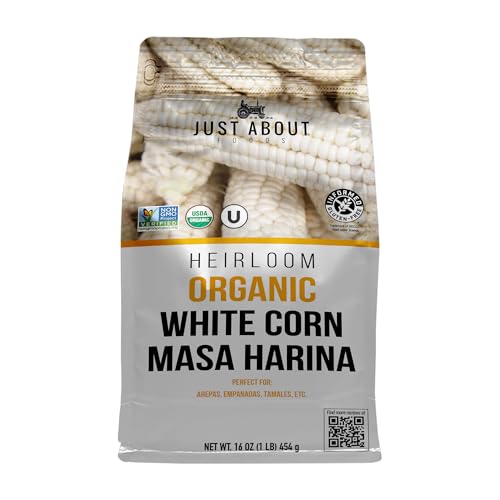
- Just About Foods Organic Heirloom White Corn Masa Harina is stone-ground to preserve nutrients and ensure fresh, aromatic dough.
- Proper storage in resealable, airtight packaging maintains freshness and prevents spoilage for all top organic masa harina brands.
Bob’s Red Mill Organic Masa Harina (24oz)

If you’re looking for a reliable, no-fuss masa harina that delivers consistent results whether you’re pressing tortillas or baking tamale pie, Bob’s Red Mill Organic Masa Harina (24oz) stands out as a top pick for home bakers who value both quality and convenience. I use it weekly, and it mixes easily with warm water-just 1 1/4 cups per cup of flour-to form smooth, pliable dough. Made from non-GMO corn soaked in limewater, it’s vegan, kosher, and delivers 2g protein and fiber per serving. The resealable standup bag keeps it fresh for up to a year, and I’ve used it successfully for sopes, tamales, even corn pancakes with great texture every time.
Best For: Home cooks and bakers seeking a convenient, high-quality, and versatile organic masa harina for both traditional and creative recipes.
Pros:
- Made from non-GMO, organic corn soaked in limewater, offering a traditional flavor and texture
- Resealable standup bag ensures freshness for up to a year and easy storage
- Versatile for a wide range of dishes including tortillas, tamales, sopes, and corn pancakes
Cons:
- Contains only 2g of protein per serving, making it less ideal for high-protein diets
- Requires additional ingredients (like water) to make dough, not ready-to-use
- Some users may find the texture less authentic compared to freshly ground masa
Masienda Heirloom White Corn Masa Harina (2.2 lbs)

Masienda Heirloom White Corn Masa Harina stands out as the best choice for anyone serious about authentic, flavorful corn tortillas, tamales, or pupusas. I use it because it’s nixtamalized, gluten-free, non-GMO, and made from heirloom corn sourced in Mexico. The deep corn flavor lingers pleasantly, no preservatives needed. One 2.2-pound bag makes about 84 six-inch tortillas-perfect for batch cooking. I keep mine in a cool, dry spot to maintain freshness. Masienda connects me to real Mexican cuisine, and their MASA cookbook offers reliable recipes for tacos, tamales, and more. It performs consistently, every time.
Best For: Home cooks and culinary enthusiasts seeking authentic, high-quality ingredients for traditional Mexican dishes like tortillas, tamales, and pupusas.
Pros:
- Made from nixtamalized heirloom corn sourced from Mexico, delivering rich, authentic flavor
- Gluten-free, non-GMO, and free of preservatives, catering to health-conscious consumers
- High yield with one bag producing approximately 84 six-inch tortillas, ideal for batch cooking
Cons:
- Higher price point compared to conventional masa harina brands
- Limited availability outside specialty grocery stores or online retailers
- Requires proper storage in a cool, dry place to maintain freshness, which may be inconvenient for some users
Gold Mine Blue Corn Masa Harina (2 lbs)

I reach for Gold Mine Blue Corn Masa Harina when I want my tamales and tortillas to carry the depth of traditional Mesoamerican preparation, because it’s stone ground from organic blue corn soaked in lime and cooked with wood ash-a method that locks in flavor, texture, and cultural authenticity. Each ¼ cup has 100 calories, 75 mg potassium, and 10 mg sodium, with 7.3 grams of fiber per 100 grams to support digestion and keep me full longer. It’s USDA Organic, vegan, kosher, gluten-free, and made from whole grain-no additives, just organic blue corn and a trace of lime. I use it for tortillas, pupusas, and empanadas, and it hydrates smoothly, with a rich, earthy taste that store-bought mixes just don’t match.
Best For: Home cooks and traditional food enthusiasts seeking authentic, minimally processed blue corn masa harina for homemade tamales, tortillas, and other Latin American staples.
Pros:
- Made with organic blue corn using traditional methods like lime soaking and stone grinding for authentic flavor and cultural integrity
- High in dietary fiber (7.3g per 100g) to support digestion and promote satiety, aiding in weight management
- Certified USDA Organic, vegan, kosher, and gluten-free with no additives or preservatives
Cons:
- Requires from-scratch preparation, which can be time-consuming compared to instant mixes
- Cooking with wood ash method may raise questions about consistency or accessibility for some users
- Premium price point due to organic certification and artisanal processing methods
Just About Foods Organic Heirloom White Corn Masa Harina 1lb
Pros:
- USDA Organic, Non-GMO, gluten-free, and kosher certified for clean, trustworthy sourcing
- Stone-ground from heirloom white corn to preserve nutrients and deliver rich, traditional flavor
- Versatile for both savory and sweet recipes, producing smooth, pliable dough with simple mixing
Cons:
- May require precise water ratios and kneading technique for optimal dough consistency
- Stone-ground texture might be coarser than conventional masa harina for those used to commercial brands
- Limited to recipes that specifically call for masa, reducing utility for non-Mexican cooking
Bob’s Red Mill, Golden Masa Corn Flour, 1.63 lb

When you’re baking tortillas, tamales, or pupusas and want a fine, consistently ground masa that delivers authentic flavor, Bob’s Red Mill Golden Masa Corn Flour stands out, especially if you value stone-milled quality and dietary flexibility. I use it for soft, pliable tortillas that hold up well, even after cooling. It’s vegan, vegetarian, and Kosher Pareve-great for diverse diets. The 1.63 lb bag offers enough for regular batches, and since it’s stone-milled, the texture stays uniform. I notice less sifting and fewer lumps. Plus, each serving contributes to the USDA’s whole grain recommendation, supporting long-term health without sacrificing taste or performance.
Best For: Home cooks and bakers seeking a high-quality, stone-milled masa flour for authentic tortillas, tamales, or pupusas that aligns with vegan, vegetarian, and Kosher dietary needs.
Pros:
- Stone-milled for consistent texture and superior performance in traditional recipes
- Dietary-friendly: certified vegan, vegetarian, and Kosher Pareve
- Supports healthy eating by contributing to the USDA’s recommended daily whole grain intake
Cons:
- Limited to masa-specific recipes, reducing versatility for non-Latin cuisine
- Packaging size may be larger than needed for infrequent users
- Stone-milled texture, while consistent, may differ slightly from conventional masa flour in moisture absorption
Factors to Consider When Choosing Organic Masa Harina
You’ll want to check the grain source quality, processing method authenticity, and flavor profile when picking the right organic masa harina for fluffy tortillas or tender tamales. Make sure it’s stone-ground, nixtamalized traditionally, and carries certifications like USDA Organic or Non-GMO Project Verified for trusted purity. Look for resealable packaging, a rich corn aroma, and a fine, consistent texture-testers found these traits made a real difference in both shelf life and final bake results.
Grain Source Quality
Though flavor and texture often take center stage, the quality of the grain source makes all the difference when choosing a standout organic masa harina, and it starts with the corn itself. You’ll want heirloom varieties-they deliver richer, more complex flavors and support genetic diversity. Corn grown organically avoids synthetic pesticides and fertilizers, giving you cleaner taste and better environmental outcomes. Look for grain sourced from regions with deep corn-growing traditions; their corn has superior starch structure and authentic flavor. The best masa starts with nixtamalized corn, a traditional process that boosts nutrition by releasing niacin and improving protein quality. While processing matters, your choice begins here-with whole, stone-ground heirloom kernels that preserve natural oils, aroma, and texture. Pick a brand that’s transparent about its grain origin, and you’re already on track to tastier tortillas.
Processing Method Authenticity
Nixtamalization sets the foundation for truly authentic masa harina, and it’s where the best brands prove their commitment to tradition. You’ll want to check that the corn is soaked and cooked in limewater, not just treated with synthetic alkali, since real nixtamalization boosts nutrition and improves texture. Look for brands that stone-grind their nixtamal-it preserves the germ and bran, giving you richer flavor and dough that’s easier to roll and press. Some traditional makers even use wood ash or natural alkali, deepening the taste naturally. Choose masa harina made from whole kernel corn with minimal processing; it holds more fiber and creates a suppler dough for tortillas. Avoid overly refined versions that strip nutrients and compromise performance. When you use a brand that sticks to these methods, your tortillas turn out more pliable, evenly textured, and true to heritage standards every time.
Flavor And Aroma Profile
When you’re after deeply flavorful tortillas or tamales, the flavor and aroma of your masa harina make all the difference, and top organic brands deliver a profile rooted in heritage and craft. You’ll taste the rich, traditional corn flavor when brands use heirloom varieties, giving each bite a subtle sweetness and earthy depth. If you choose blue corn masa harina, expect a nuttier taste and bolder aroma compared to milder white corn. Traditional nixtamalization with lime or wood ash adds a smoky, mineral complexity you can smell before it hits the comal. Look for freshly stone-ground flour-it retains natural oils and delivers a livelier, more aromatic dough. High-quality masa harina leaves a clean, lasting corn taste, thanks to whole grain kernels and time-tested methods. You’ll notice the difference in every warm, toasty tortilla.
Dietary Certification Standards
You’ll want to check the label for USDA Organic certification, because it guarantees the corn was grown without synthetic pesticides or fertilizers, and that the entire supply chain meets strict federal guidelines. You should also look for the Non-GMO Project Verified seal-it confirms the masa harina avoids genetically modified ingredients through rigorous testing. If you’re avoiding all animal products, grab a brand with a certified vegan logo, ensuring no animal-derived processing aids were used. For those following kosher dietary laws, select a product with a reputable kosher symbol, meaning it was made under supervised compliance. Plus, always verify gluten-free needs with a GFCO or similar third-party label, which guarantees less than 10 ppm of gluten-safe for celiac and sensitive diets. These certifications aren’t just labels; they’re your assurance of quality, purity, and adherence to dietary standards you can trust in every tortilla.
Packaging And Shelf Life
A resealable standup bag isn’t just convenient-it’s a barrier that locks in freshness by shielding your organic masa harina from moisture, air, and light. You’ll want to store it in a cool, dry spot, since heat and humidity can cause clumping or spoilage in as little as a few weeks. When sealed tight and kept out of sunlight, the masa retains its ideal texture and flavor for up to one year. Opaque, airtight packaging blocks oxygen and UV exposure, both of which degrade quality over time. If you buy in bulk, divide the masa into smaller, portioned containers to reduce repeated exposure each time you open it. Testers found that smaller, double-zip bags kept masa usable longer, especially in humid kitchens. Proper storage isn’t optional-it’s key to consistent tortillas, tamales, and masa-based bakes every time.
Frequently Asked Questions
Can I Use Masa Harina for Tamales?
Yes, you can use masa harina for tamales, and it’s actually the go-to base for authentic results. Just mix 2 cups masa harina with 1 ½ cups broth or warm water, 1 cup lard or vegetable shortening, and 1 tsp salt until fluffy. The dough should hold its shape when pinched. Testers found it spreads easily on husks and steams up tender, not gummy.
Is Masa Harina Gluten-Free?
Yes, masa harina is naturally gluten-free since it’s made from nixtamalized corn, not wheat. You can confidently use it in gluten-free recipes like tamales or tortillas, just make certain the package says “certified gluten-free” to avoid cross-contamination. Brands like Bob’s Red Mill and Masienda test their masa rigorously, so you get reliable results every time, batch after batch, with no off-flavors or texture issues.
How Long Does Masa Harina Last?
You can keep masa harina fresh for 9 to 12 months if you store it in an airtight container in a cool, dark place. Once opened, it’s best to use it within 3 to 6 months for ideal flavor and texture. Testers noticed duller corn taste and slower hydration in batches older than 8 months. For longer shelf life, refrigerate or freeze it-just let it warm to room temp before using. Always check for off smells or bugs before mixing dough.
Can I Make Masa Harina at Home?
You can make masa harina at home, but it’s time-consuming and requires nixtamalization-soaking dried corn in lime water, then rinsing, grinding, and drying it into flour. Most home kitchens lack the tools for consistent results, and the process takes 12+ hours. Testers found homemade versions uneven in texture, affecting tortilla pliability. For reliable, soft tortillas, store-bought masa harina, like Bob’s Red Mill or Masienda, delivers consistent performance with zero hassle.
What’s the Difference Between Masa Harina and Cornmeal?
You can’t swap masa harina and cornmeal easily, they’re not the same. Masa harina’s made from corn treated with lime (nixtamalized), giving it a soft, pliable texture when mixed with water, perfect for rolling and pressing tortillas. Cornmeal’s coarser, dry, and unbathed in lime, so it won’t bind like masa. Testers found dough made with cornmeal crumbly, lacking elasticity. For real tortillas, you need masa harina-it just works better, every time.